

Scope and Integration Depth
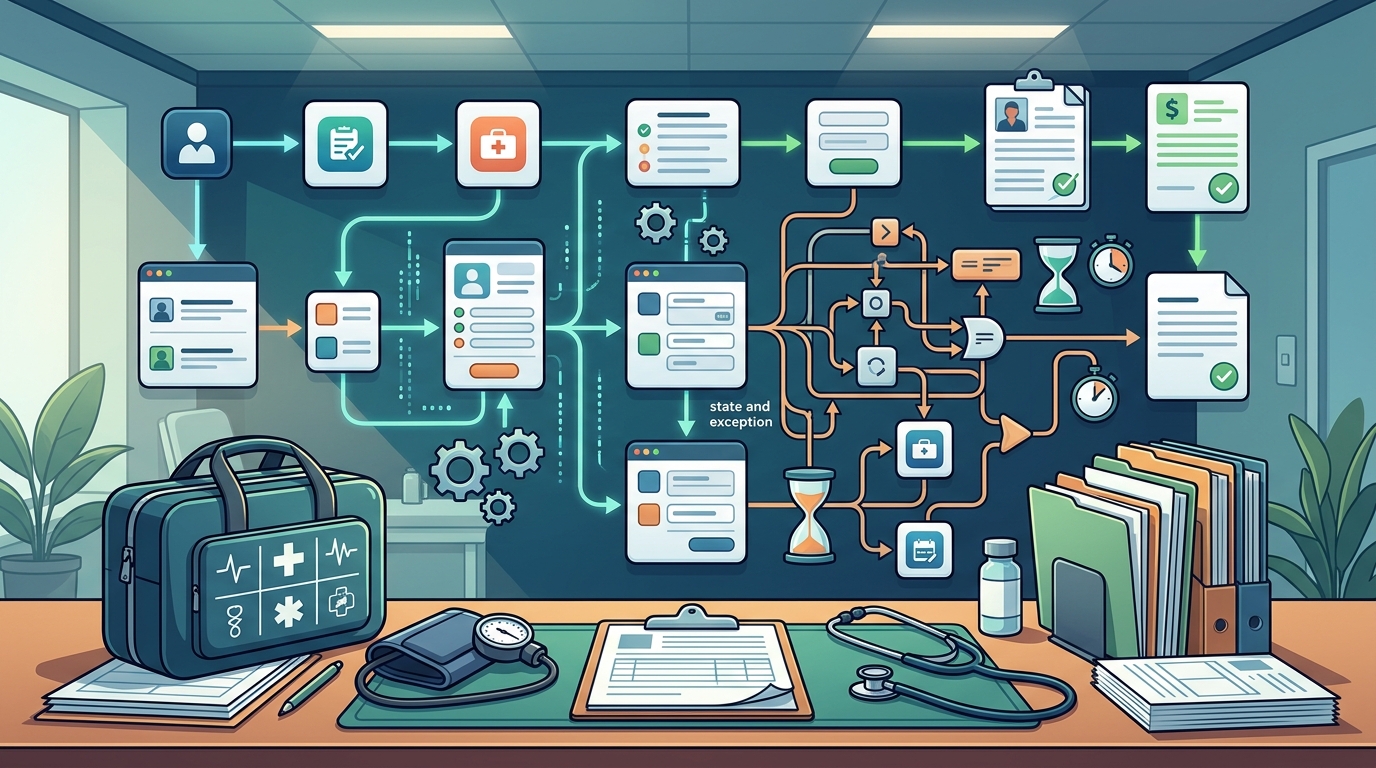
General-purpose automation platforms often provide a wide array of connectors and triggers. These tools allow users to build complex logic across multiple applications. However, this breadth can lead to configuration overhead. Teams may spend weeks mapping out every possible state and exception. This delay pushes the value of the automation further into the future.
Specialized implementation partners take a narrower approach. They focus on a single, high-friction workflow. For example, a home health agency might struggle with referral intake. The agency receives a referral, but the paperwork is missing. The authorization status is unclear. The manager has to call the payer and the patient. This manual chase consumes hours. A specialized partner maps this exact path. They build the automation to handle the intake, surface missing documents, and track authorization status. The result is a focused tool that solves one problem completely.
The implication is clear. Broad platforms suit teams with dedicated IT staff. They can manage the complexity. Teams without dedicated IT benefit from focused solutions. These solutions deliver value faster. They reduce the risk of configuration errors. They align with the operational reality of small to mid-sized agencies.
Deployment Speed and Readiness
Deployment speed is a critical differentiator. General platforms often require a phased rollout. Teams pilot the tool in one department. They gather feedback. They adjust the configuration. They roll out to the next department. This process can take months. During this time, the manual work continues. The team operates in a hybrid state. This state is often more stressful than the original problem.
Fixed-sprint models change this dynamic. A fixed-sprint model is a project structure where the scope, price, and timeline are agreed upon before work begins. The timeline is fixed. The scope is defined. The price is known. This structure reduces uncertainty. It allows decision-makers to plan resources. It provides a clear endpoint. The work is live in a defined window. The team can plan their training and adoption around this date.
Data Handling and Compliance
The implication is that compliance is not a feature. It is a design principle. It must be built into the workflow from the start. It cannot be added later. It requires a deep understanding of the operational context. It requires a partner who knows the industry. It requires a partner who respects the boundaries of their role.
Cost Structure and Predictability
Cost structure is a major differentiator. General platforms often use a subscription model. The cost is based on the number of users. It is based on the number of workflows. It is based on the number of actions. This model can be unpredictable. As the team grows, the cost grows. As the workflows become more complex, the cost grows. The team must manage the budget. They must monitor usage. They must adjust the configuration to stay within budget.
Fixed-price models offer predictability. The price is agreed upon before work begins. The price covers the build. It covers the testing. It covers the training. It covers the initial support. The team knows the total cost. They can plan their budget. They can compare the cost to the value. They can make an informed decision. This structure reduces financial risk. It aligns the partner's incentives with the team's success. The partner is paid for the outcome. They are motivated to deliver a working solution.
The implication is that predictability is a form of value. It reduces stress. It allows for better planning. It builds trust. It creates a stable foundation for the relationship. It allows the team to focus on the operational benefits. It removes the financial uncertainty. It makes the decision to automate easier.
Key Takeaways
- Specialized partners focus on specific, high-friction workflows for faster deployment.
- Fixed-sprint models provide predictability in cost and timeline.
- Readiness is a prerequisite for the deployment timeline to begin.
- Compliance must be built into the workflow design, not added as a feature.
- Fixed-price structures reduce financial risk and align partner incentives.
- Specialized partners understand the operational context of home health agencies.
Frequently Asked Questions
What is the main difference between a general automation platform and a specialized implementation partner?
A general platform provides the tools to build automation. A specialized partner builds the automation for you. The partner focuses on a specific workflow. They handle the configuration. They handle the testing. They handle the training. The team gets a working solution. The team does not have to learn the platform.
How long does it take to deploy a workflow automation tool?
It depends on the model. General platforms can take months. Specialized partners with fixed-sprint models can deploy in seven business days. The timeline begins after readiness is confirmed. Readiness includes signed-off scope and working access.
Do I need to buy new software to automate my workflow?
Not necessarily. The partner will look at what you have. If your existing tools can carry the workflow, they will build there. If a better system is the right move, they will say so. They will agree on the path before anything is built.
How is patient data handled during the build?
Sample data is used for the initial review. No real patient records are needed for the fit check. Access for live work is agreed in writing. Least-privilege access is used. Logging and recovery are documented. An incident owner is named.
What happens if the build misses the agreed scope?
The partner writes down what "done" means before starting. If they miss something in their control, they fix it at no extra labor cost. This is defined in the agreement. It provides a clear remedy. It protects the team.
Can the automation tool handle complex branching logic?
It depends on the complexity. The partner will assess the logic during the Blueprint. If the logic is too complex for the agreed scope, they will say so. They will propose a phased approach. They will not promise what they cannot deliver.
Choosing the Right Path
The choice between a general platform and a specialized partner depends on your team's capacity. If you have dedicated IT staff, a general platform may be a good fit. You can manage the configuration. You can leverage the broad features. You can build a comprehensive automation suite. This path requires time. It requires expertise. It requires ongoing management.
If you do not have dedicated IT staff, a specialized partner is a better fit. They bring the expertise. They bring the focus. They deliver a working solution. They reduce the burden on your team. They allow you to focus on patient care. They provide a clear path to value. They reduce the risk of failure. They align their incentives with your success.
7DayBuild is a specialized partner. We focus on home health and field service operations. We build automation for specific, stuck workflows. We use a fixed-sprint model. We deliver in seven business days after readiness is confirmed. We do not replace your EHR. We do not provide legal advice. We build the tool that moves your work. We train your team. We provide a written guide. We offer optional care for ongoing support. We are a partner in your operational improvement. We are not a vendor selling a product. We are a builder delivering a solution.
To plan your visit, . We will assess your workflow. We will recommend the right path. We will help you move off chase mode. We will help you advance your operation. We will help you focus on what matters. We will help you deliver better care. We will help you build a more efficient agency. We will help you achieve your goals. We will help you succeed.