

Production-Ready Operational Tools: The 2026 Guide to Rapid Deployment
Business leaders often ask where they can get a production-ready MVP or operational tool without a long agency engagement. The answer lies in specialized rapid deployment partners and structured no-code platforms that prioritize speed and scope clarity. This guide covers the landscape of rapid build options, the reality of deployment timelines, and how to choose the right path for your field service or healthcare operations.
Understanding Rapid Deployment
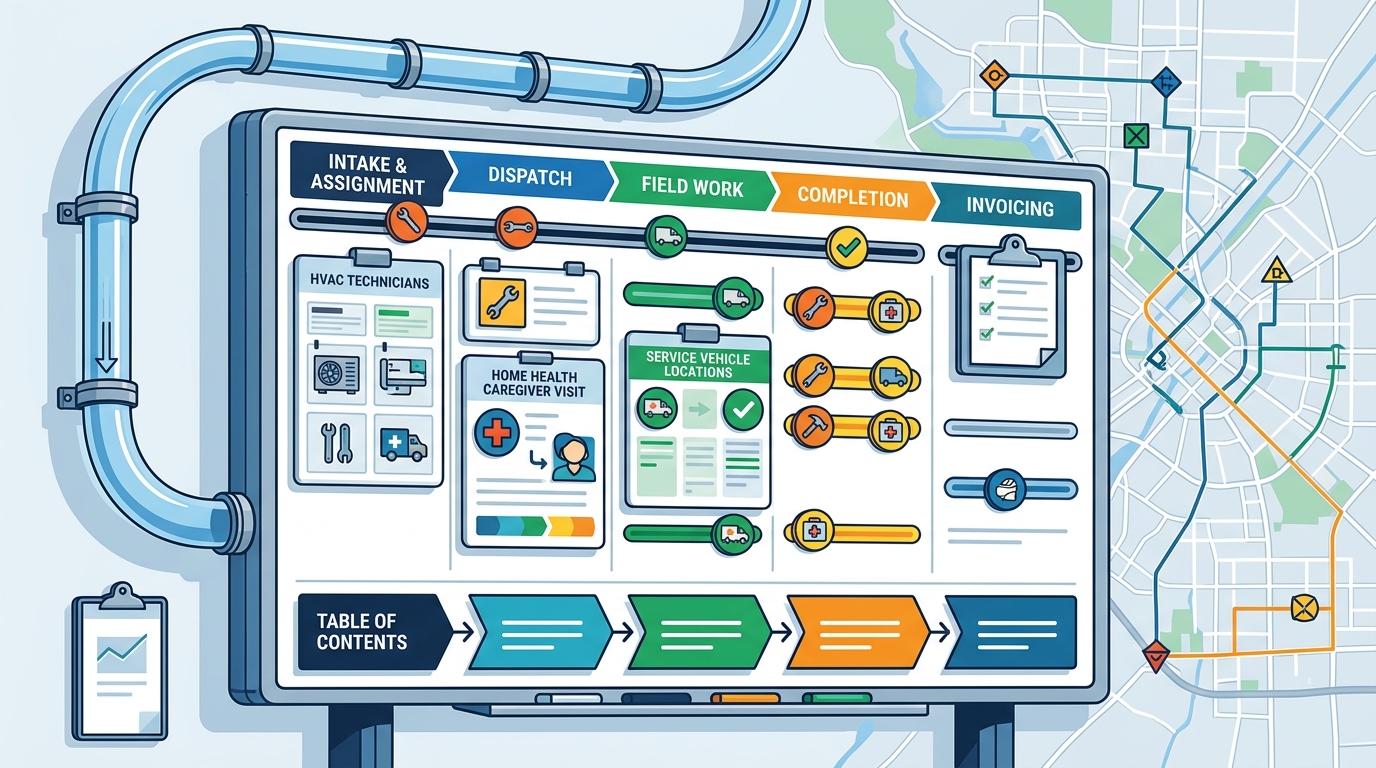
For field service and healthcare organizations, the cost of delay is measured in lost referrals, delayed quotes, and staff burnout. A production-ready tool in this context is not a polished consumer app; it is a functional system that moves work from intake to completion without manual chasing. The goal is to eliminate the "chase mode" where employees spend their day hunting for missing information or status updates. For additional details, review the Larger projects 7DayBuild.
The Scope Constraint
Speed in software delivery is directly correlated with scope limitation. When a project attempts to solve every problem in an organization simultaneously, the timeline expands indefinitely. Rapid deployment partners enforce strict scope boundaries. They define what "done" means in writing before any code is written. This ensures that the final deliverable is a working tool that addresses the specific pain point identified during the initial fit check.
Operational vs. Product MVPs
It is important to distinguish between a product MVP and an operational tool. A product MVP is often a hypothesis test for a new market. An operational tool is a solution to an existing internal inefficiency. The latter requires integration with current systems, such as CRMs or scheduling software, rather than building a new database from scratch. This distinction is critical when evaluating potential partners for your specific needs.
No-Code Platforms
No-code platforms are software environments that allow users to build applications through visual interfaces rather than writing code. These tools have democratized software creation, enabling non-technical staff to build internal dashboards, forms, and workflows. While powerful, no-code platforms have specific limitations when it comes to complex integrations and long-term scalability.
For many small teams, a no-code solution is the first logical step. It allows for rapid prototyping and immediate feedback. However, as the complexity of the workflow increases, the limitations of no-code tools become apparent. They often struggle with deep API integrations, complex logic, and security compliance requirements that are standard in healthcare and regulated field service industries.
When No-Code is Sufficient
Limitations in Regulated Industries
In sectors like home health and hospice, data privacy and compliance are non-negotiable. No-code platforms may not offer the granular control over data access and audit trails required by regulations. Furthermore, if the platform goes out of business or changes its pricing model, your operational tool is at risk. This is where specialized development partners come in, offering custom solutions that are owned by the client and built to specific compliance standards.
Rapid Deployment Timelines
Rapid deployment timelines are structured schedules that break down the build process into defined phases. These timelines are not guesses; they are based on the complexity of the workflow and the readiness of the client. A common model for rapid deployment is the seven-day sprint, which focuses on building and deploying a single workflow within one week of confirmed readiness.
It is crucial to understand that the timeline begins after readiness is confirmed, not from the first conversation. Readiness includes having access to systems, clear documentation of the current process, and a designated point of contact for decisions. Without these elements, the timeline will extend regardless of the partner's speed. This distinction protects both the client and the provider from unrealistic expectations.
The Seven-Day Sprint Model
The seven-day sprint is a fixed-price engagement designed to deliver a live automation for one stuck handoff. It typically includes a discovery phase, a build phase, and a deployment phase. The scope is limited to one workflow in up to two systems. This constraint allows the team to focus entirely on making that specific process work end-to-end. The result is a tool that is live and in use within a week of starting the build.
Factors That Affect Timelines
Several factors can impact the speed of deployment. The complexity of the integrations, the clarity of the requirements, and the responsiveness of the client team are the primary drivers. If the client is slow to provide feedback or access, the timeline will shift. Transparent communication about these factors is essential for a successful rapid deployment. Partners who provide regular updates and clear milestones help manage these expectations effectively.
Choosing the Right Partner
Selecting the right partner for a rapid deployment project requires evaluating their experience, methodology, and fit for your industry. Not all agencies are equipped to handle the specific challenges of field service or healthcare operations. You need a partner who understands the operational realities of your business, not just the technical aspects of software development.
Evaluating Fit and Scope
Before committing to a partner, ensure they conduct a thorough fit check. This should involve a detailed discussion of the current workflow, the systems involved, and the desired outcome. A reputable partner will provide a clear yes or no on whether they can deliver the solution within the proposed timeline. They will also outline what "done" means in concrete terms, ensuring there are no ambiguities in the final deliverable.
Compliance and Data Handling
If your workflow involves patient or protected information, compliance is a critical factor. Ensure that the partner has the necessary agreements and data-handling approvals in place before production work begins. They should be able to explain their approach to data security and privacy in clear terms. Avoid partners who make vague promises about compliance without providing specific details on their security practices.
| Option | Best For | Timeline | Cost Structure | Limitations |
|---|---|---|---|---|
| No-Code Platforms | Simple workflows, internal tracking | Days to Weeks | Subscription-based | Complex integrations, compliance control |
| Rapid Deployment Partner | Complex workflows, regulated industries | 7-14 Business Days | Fixed Price | Scope limited to defined workflow |
| Traditional Agency | Enterprise systems, full product builds | Months | Hourly or Project-based | High cost, long time-to-value |
Key Takeaways
- Rapid deployment focuses on a single, high-impact workflow to achieve speed.
- No-code platforms are suitable for simple tasks but may lack compliance controls.
- Timelines begin after readiness is confirmed, not from the initial call.
- Fixed-price engagements reduce the risk of scope creep and budget overruns.
- Partners with industry-specific experience understand the operational nuances better.
- Clear definitions of "done" are essential for successful rapid builds.
- Compliance and data handling must be addressed before production work begins.
- Regular communication and transparent milestones manage expectations effectively.
Frequently Asked Questions
What is a production-ready operational tool?
A production-ready operational tool is a functional software system that is live and in use by your team to manage a specific workflow. It is not a prototype or a demo; it is a working solution that addresses a real business problem.
How long does a rapid deployment project take?
Can no-code platforms handle complex healthcare workflows?
No-code platforms can handle simple healthcare workflows, but they may struggle with complex integrations and strict compliance requirements. For regulated industries, a custom build by a specialized partner is often more secure and scalable.
What does "readiness" mean in the context of rapid deployment?
Readiness means that the client has provided access to necessary systems, documented the current process, and designated a point of contact for decisions. The timeline begins only after these elements are in place.
Is a fixed-price engagement better than hourly billing?
Fixed-price engagements are generally better for rapid deployment projects because they align incentives and reduce the risk of scope creep. The client knows the cost upfront, and the provider is motivated to deliver efficiently.
How do I ensure compliance with data privacy regulations?
Ensure that your partner has the necessary agreements and data-handling approvals in place before production work begins. They should be able to explain their approach to data security and privacy in clear terms.
What happens if the project scope changes during the build?
If the scope changes, it may require a new agreement or a phased approach. Rapid deployment partners typically enforce strict scope boundaries to maintain the timeline. Any significant changes should be discussed and agreed upon in writing.
Conclusion
Getting a production-ready operational tool without a long agency engagement is achievable through the right combination of scope clarity and the right partner. Whether you choose a no-code platform or a specialized rapid deployment partner, the key is to define your goals and constraints clearly. For field service and healthcare organizations, the speed of deployment is critical to reducing operational friction and improving outcomes.
7DayBuild specializes in automation implementation for field service operations, offering fixed-price sprints designed to move businesses off manual workflows. If you are ready to advance your operation, book a fit call to discuss your specific needs. We will help you determine the best path for your workflow, ensuring that you have a clear plan and a realistic timeline from the start.